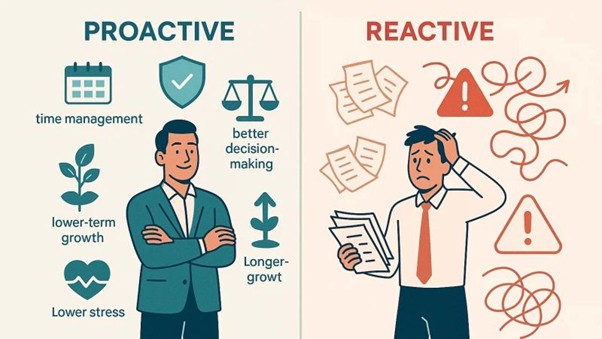
Reactive vs Proactive ER: One fixes fires, the other prevents them.
Most companies discover they have an ER problem when it’s already on fire.
By then, it’s too late for prevention. You’re in damage control.
Reactive ER is exhausting. You’re always one step behind—investigating complaints, managing escalations, defending legal cases, trying to repair broken trust. It feels like you’re constantly firefighting. 🚒
Proactive ER? That’s a completely different game.
It’s designing a POSH policy before the first complaint. It’s creating grievance mechanisms that employees trust. It’s building eLearning modules that teach managers how to have difficult conversations before conflicts explode.
I’ve seen the transformation firsthand. When you move from reactive to proactive, the nature of your work changes entirely. You’re not just managing problems—you’re preventing them. 💡
Proactive ER means fewer escalations, better employee engagement, and a culture where issues are addressed early. It means automation that brings transparency and accountability. It means training that builds capability before crisis hits.
The difference? Reactive ER keeps you busy. Proactive ER keeps your organization healthy.
But here’s the challenge: proactive work is invisible. Nobody gives you credit for the crisis that never happened. Yet it’s the most valuable work you can do.
Where does your organization stand—reactive or proactive? What’s holding you back from shifting gears?
#EmployeeRelations #HRStrategy #ProactiveLeadership #ERStrategies #Leadership #EmployeeGrievance #Compliance