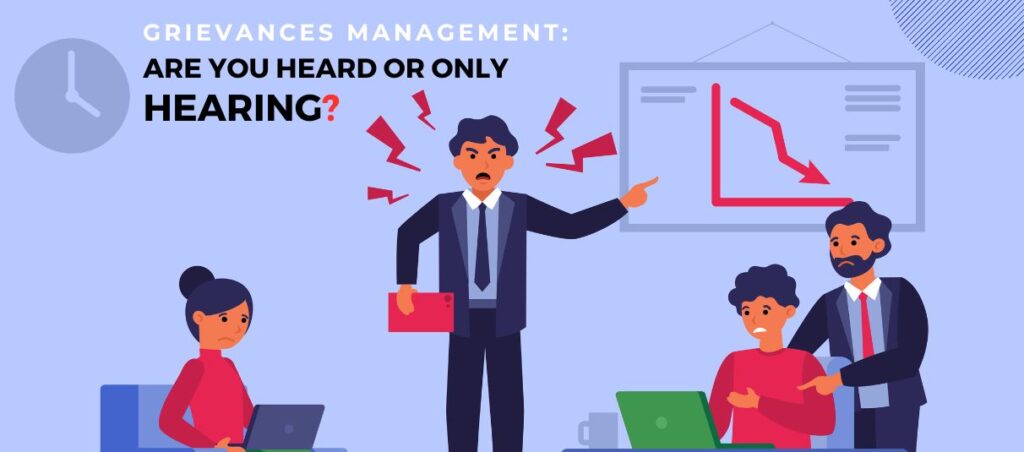

How to make Speak-Up culture actually work.
Every company says they have a speak-up culture.
Then someone speaks up, and suddenly it’s complicated.
Here’s the brutal truth: most speak-up cultures fail not because employees don’t want to talk. They fail because organizations don’t know how to listen. 🎧
I’ve seen companies launch beautiful campaigns—posters about open doors, town halls about transparency, anonymous helplines that promise confidentiality. Employees nod along. But when someone actually raises a concern, what happens?
The complaint disappears into a black hole. Or worse, the person who spoke up becomes “difficult to work with.”
That’s not a speak-up culture. That’s theater.
Real speak-up cultures have three things: easy access, transparent processes, and protection from retaliation. Without all three, you’re just asking people to take a risk you’re not willing to manage. ⚖️
When you automate grievance management with mobile applications that work from anywhere, you remove barriers. When you build visibility into timelines and actions, you create accountability. When you demonstrate through consistent behavior that speaking up doesn’t hurt careers, you build trust.
The hardest part isn’t getting people to speak up. It’s proving that speaking up was worth it.
That’s where most organizations fail. And that’s exactly what separates cultures that thrive from those that just survive.
What’s been your experience with speak-up cultures? What makes them work or fail?
#SpeakUp #EmployeeRelations #WorkplaceCulture #Leadership #RespectatWorkplace