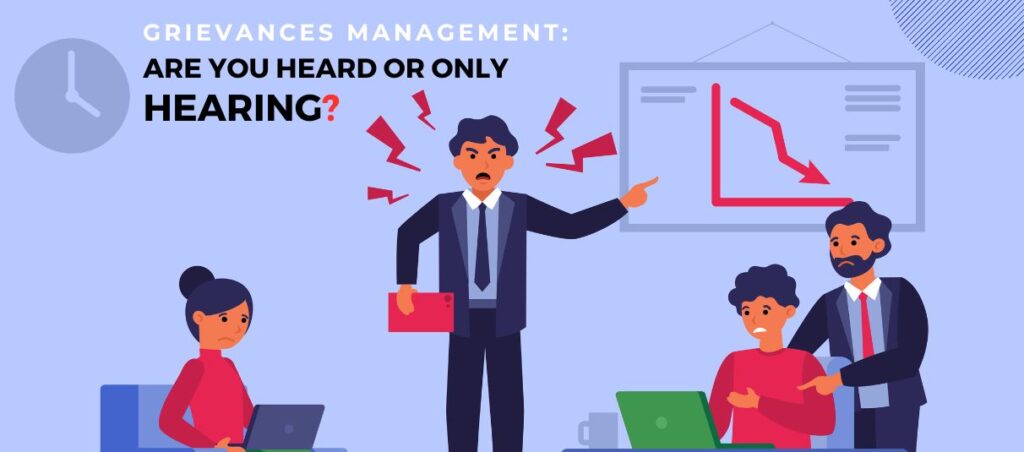

Why most workplace conflicts escalate – and how they could’ve been resolved earlier….
Here’s a pattern I’ve seen a hundred times:
Two colleagues have a disagreement. Neither addresses it directly. They complain to others. Sides form. Emotions intensify. By the time it reaches HR, it’s a full-blown conflict that needs formal intervention.
And everyone asks, “How did it get this bad?”
The answer? It got bad because nobody intervened when it was still small. 🔍
Most conflicts don’t start as conflicts. They start as differences—in working styles, communication preferences, expectations. These differences are normal. Healthy even.
But when there’s no framework for addressing them early, they transform into something much worse.
Early intervention isn’t about policing every disagreement. It’s about creating an environment where people feel safe addressing issues directly. Where managers spot tension before it explodes. Where HR doesn’t wait for formal complaints to offer support. 💡
I’ve worked with teams where conflicts were caught early through regular check-ins, transparent grievance systems, and managers trained to recognize warning signs. The result? Issues resolved in days, not months. Relationships restored, not destroyed.
The question isn’t why conflicts happen. It’s why we wait so long to address them.
Escalation isn’t inevitable. It’s a choice—usually made by silence.
That’s why the role of the person (Line Manager / Reporting Manager / HR personnel – as neutral person) becomes so important. ER training on conflict resolution – #DoTheRightThing to these personnel becomes a very important step in workplace conflict resolution.
What’s other modes can stop / de-escalate conflicts from escalating at workplace in your experience?
#ConflictResolution #EmployeeRelations #WorkplaceDynamics #Leadership #Manager’sResponsibility