
Five years ago, psychological safety was a nice-to-have.
Today, it’s showing up in legal cases, compliance requirements, and employee demands.
This shift happened faster than most organizations realized.
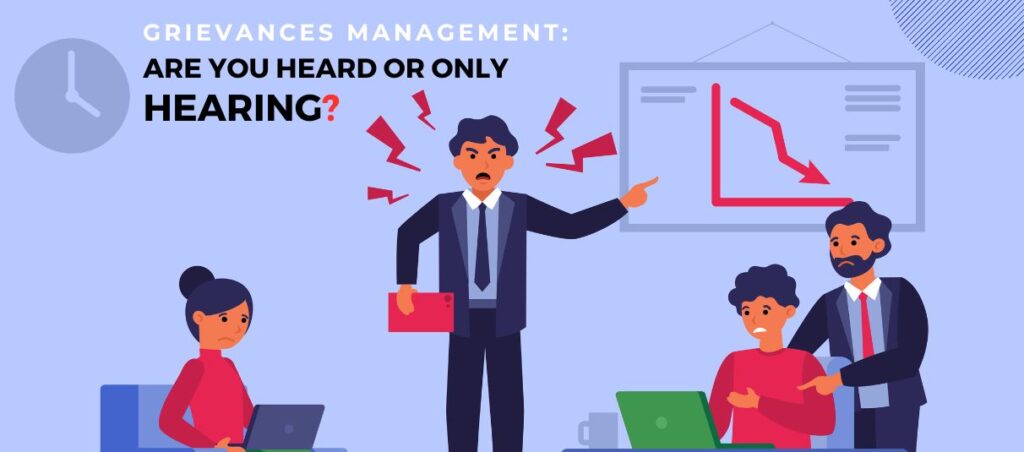
Psychological safety isn’t just about people feeling comfortable sharing ideas in meetings. It’s about whether employees can raise concerns, admit mistakes, challenge decisions, and speak truth to power without fear of retaliation. 🛡️
And increasingly, when organizations fail at this, they’re paying for it—in lawsuits, in talent loss, in reputation damage.
I’ve watched this evolution closely. Employees are no longer accepting toxic cultures quietly. They’re documenting. They’re reporting. They’re leaving and telling their stories publicly.
Regulators are paying attention. POSH compliance, for example, isn’t just about preventing harassment—it’s about creating environments where reporting is safe. Where speaking up doesn’t end careers. ⚖️
Creating psychological safety requires concrete actions: clear policies, transparent grievance systems, consistent consequences for violations, and most importantly, leadership that models vulnerability and openness.
It’s not enough to say “our door is always open” if walking through that door has consequences.
The organizations that get this right don’t just avoid legal risk. They create cultures where problems get solved early, where innovation happens, where talent stays. 💡
Psychological safety isn’t soft. It’s strategic.
How is your organization building psychological safety beyond the buzzword?
For more insignts follow www.atanumandal.in
#PsychologicalSafety #WorkplaceCulture #EmployeeRelations #POSH