Twenty years ago, most workplace investigations were straightforward.
Theft. Fraud. Attendance violations. Clear facts, clear evidence, clear outcomes.
Today? Most investigations I see are about behavior. And behavior is rarely black and white. 🔍
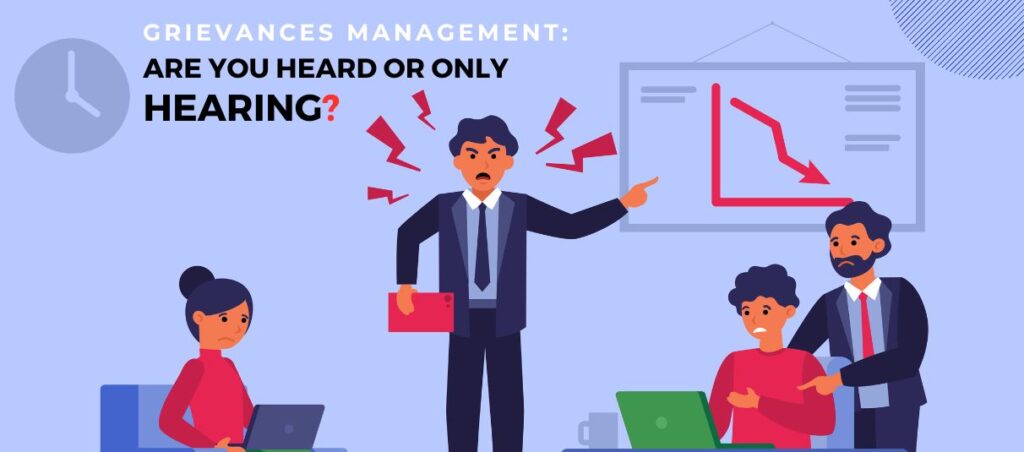
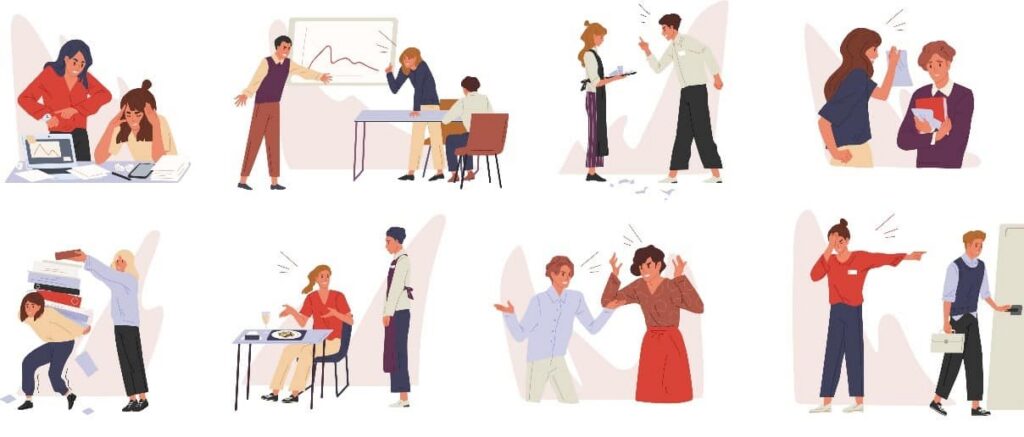
Allegations of microaggressions. Claims of toxic management. Complaints about exclusionary behavior. Concerns about psychological harm. These are the investigations that matter most now—and they’re the hardest to conduct.
Why? Because behavior is subjective. Intent versus impact. What one person experiences as hostile, another might see as direct communication. Where’s the line between tough feedback and bullying?
These investigations require a completely different skill set. You need to understand organizational psychology, power dynamics, cultural contexts, and the courage to call out behavior even when it’s not illegal—just harmful. ⚖️
The stakes are higher too. Get it wrong, and you’re not just dealing with one unhappy employee. You’re dealing with entire teams that lose trust in your process.
Organizations that handle behavioral investigations well invest in specialized training, maintain strict neutrality, and focus on patterns rather than isolated incidents. They understand that investigating behavior isn’t about finding villains—it’s about creating accountability for culture. 💼
The future of ER is less about policy violations and more about behavioral standards.
Are we equipped for that shift?
What’s your experience with behavioral investigations?
Follow www.atanumandal.in for more such insignts.
#EmployeeRelations #WorkplaceInvestigations #BehavioralStandards #RespectAtWorkplace