Proactive Employee Relations isn’t a mystery.
Yet most organizations wait for the crisis before they start caring.
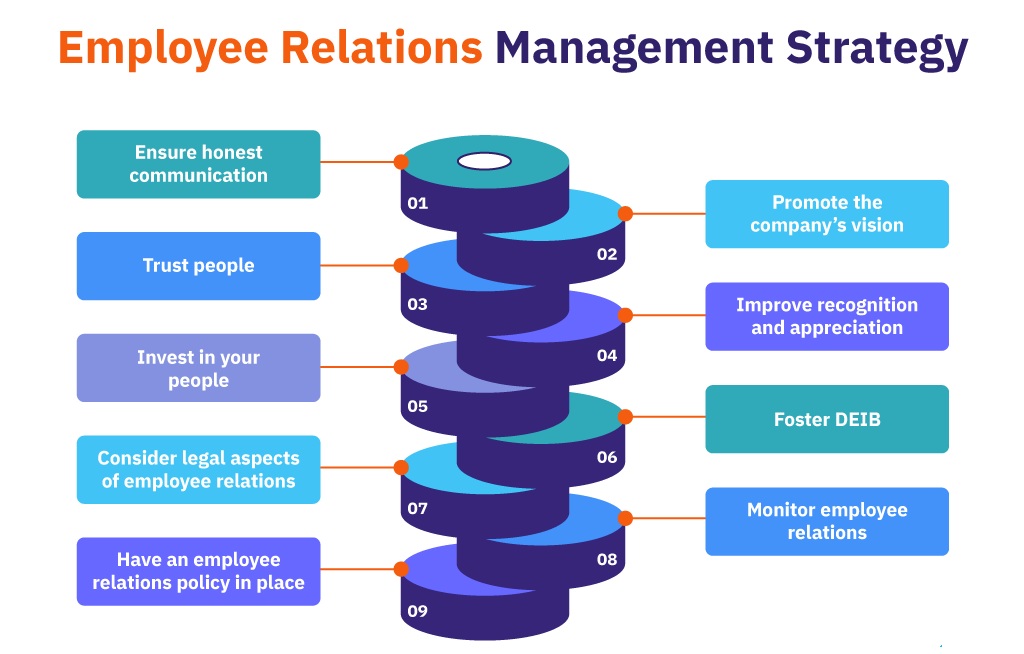
Here’s what proactive actually looks like: It’s creating a POSH policy and training employees on it before the first complaint arrives. It’s building grievance mechanisms that work seamlessly across locations. It’s automating disciplinary processes so consistency isn’t left to chance. 🛠️
Proactive ER means your managers know how to handle difficult conversations before they’re standing in the middle of one unprepared. It means your employees understand what respect at workplace means through eLearning, not through painful mistakes.
It’s anticipating where problems might emerge and closing those gaps early.
I’ve worked with organizations that achieved this transformation within six months—designing policies, implementing automation, building awareness at scale. The result? Fewer escalations, stronger compliance, and a culture where problems get solved before they become crises. 📊
But here’s the catch: proactive work doesn’t make headlines. Nobody celebrates the investigation that never happened or the lawsuit you avoided. Your wins are invisible.
Yet that’s precisely why proactive ER is valuable. Prevention doesn’t look dramatic, but it protects everything—reputation, resources, relationships, culture.
The question isn’t whether you have time for proactive ER. It’s whether you have time for the crises that happen when you don’t.
What does proactive ER look like in your organization? Where do you start? #EmployeeRelations #ProactiveHR #WorkplaceCulture #Leadership