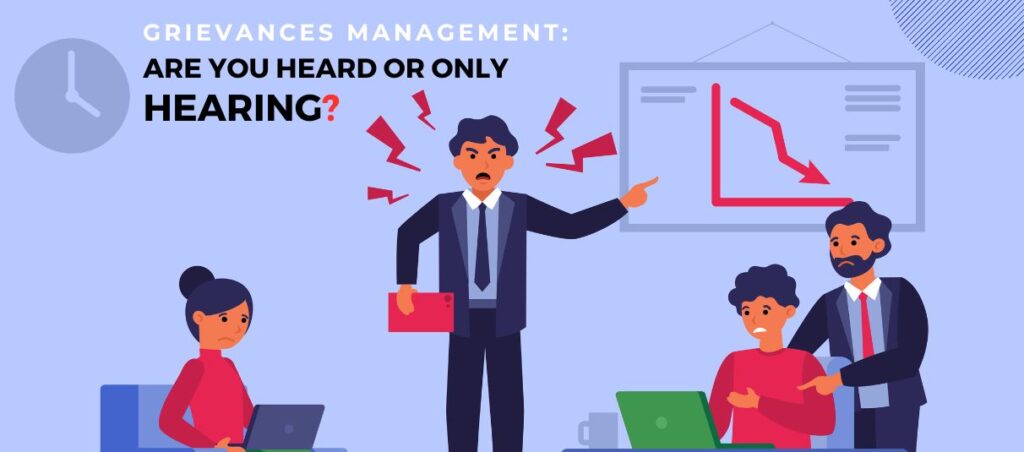

The most common mistake that any people manger does is take these difficult conversations lightly and easy. Whereas the Difficult Conversation, needs lot of groundwork, preparations, practice and ability of the manager to steer toward desired goals.
For people managers, difficult conversations are not optional—they are essential moments of leadership. The way these discussions are handled can either build trust or erode it.
The first step is –
PREPARATION. Managers must be clear about the issue, gather facts, and define the desired outcome. Entering a conversation without clarity risks confusion and defensiveness.
Next, CHOOSE THE RIGHT SETTING—a private, respectful environment that encourages openness and minimizes embarrassment.
During the conversation, LISTEN ACTIVELY. Allow employees to share their perspective fully before responding. This demonstrates respect and helps uncover underlying concerns.
Then, COMMUNICATE WITH CLARITY AND EMPATHY. Focus on behaviours or outcomes rather than personal traits, and use calm, neutral language to reduce tension.
It is equally important to ACKNOWLEDGE EMOTIONS while steering toward solutions. Managers should frame the dialogue around shared goals and organizational values, not blame.
Finally, AGREE ON ACTIONABLE NEXT STEPS and commit to follow‑up. This ensures accountability and signals that the conversation is about growth, not punishment.
Handled with integrity, difficult conversations become opportunities to strengthen relationships, improve performance, and reinforce a culture of fairness and accountability.
Difficult Conversations requires dedication and efforts rather than a casual approach.
Let me know what steps did you follow, during a difficult conversation.
Follow www.atanumandal.in for more insights.
#DifficultConversations #HRLeadership #WorkplaceCulture #TrustAndAccountability #LeadershipDevelopment